
Tag: Top Home Inspection

Home Inspector
Home Inspector

How Home Inspections Can Save You Thousands in Unexpected Repairs

Purchasing a home is a major decision that can be perplexing as well as exciting. There’s a lot to think about, and one thing you shouldn’t skip is a home inspection. It might seem like an extra cost, but it can save you a lot of money in the long run.

In this blog, we will talk about why home inspections are so important, especially in Canada. We will look at how they can help you avoid costly surprises after you move in.

What Is a Home Inspection?

A home inspection is a detailed look at a house by a trained professional. They check everything, from the roof to the foundation. The inspector looks for problems that might not be obvious to the average person.

They check things like the electrical system, plumbing, and heating, and they also look for signs of water damage or structural issues.

In Canada, home inspections are especially important. From harsh winters to wet springs, Canadian homes face unique challenges because of the weather. A good inspector knows what to look for in Canadian homes.

The Cost of Skipping a Home Inspection

Some people think they can save money by skipping the home inspection. The cost of an inspection is small compared to what you might spend on unexpected repairs.

Imagine buying a house and then finding out it needs a new roof. You might have to pay tens of thousands of dollars for that. A home inspection might have caught that problem before you bought the house.

Here are some common issues that home inspections can uncover:

Roof Problems

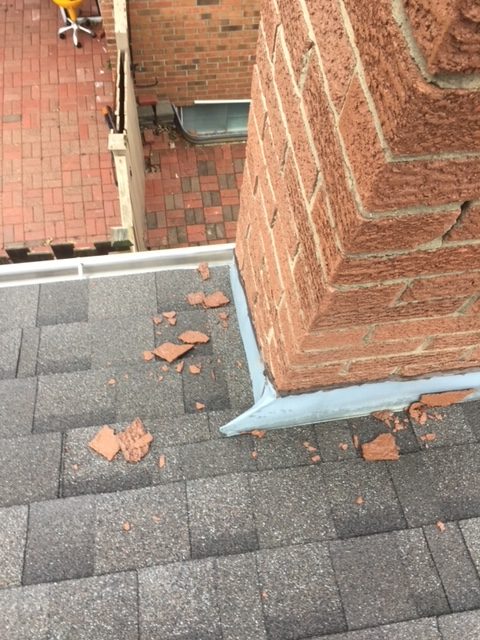
In Canada, where we get lots of snow and ice, roof issues are common. An inspector can spot signs of roof damage that you might miss.

Foundation Issues

Foundation problems are serious and costly to fix. An inspector can see early signs of foundation trouble. This can save you from buying a house with major structural problems.

Electrical Problems

Old or faulty wiring is dangerous, and it can cause fires. An inspector checks the electrical system to make sure it’s safe and up to code.

Plumbing Issues

Leaky pipes or outdated plumbing can lead to big problems. Water damage is expensive to fix. A home inspection can find these issues early.

Heating and Cooling Systems

In Canada, a good heating system is crucial. Replacing a furnace is costly. An inspector will check if the heating and cooling systems are working well.

How Home Inspections Save You Money

A home inspection does more than just find problems. It gives you power when buying a house. Here’s how it can save you money:

Negotiating Power

If the inspection finds problems, you can ask the seller to fix them, or you can ask for a lower price. This can save you thousands of dollars.

Avoiding Unexpected Outcomes

Knowing about issues before you buy means you can plan for them. You won’t be hit with unexpected repair bills right after moving in.

Making an Informed Decision

Sometimes, a home inspection might show that a house has too many problems. It’s better to know this before you buy. You can walk away and find a better house.

Long-term Savings

Even if the house is in good shape, an inspection can show you what to watch out for. You can plan for future maintenance. Over time, this saves money.

Insurance Benefits

Some insurance companies offer better rates if you have had a recent home inspection. They know the house is less likely to have hidden problems.

Conclusion

A home inspection is a smart investment when buying a house in Canada. It can save you from costly surprises and give you mental calmness. The money you spend on an inspection is small compared to what you might save on repairs.
Home Inspector Newmarket
home inspection services

How Home Inspections Can Save You Thousands in Unexpected Repairs

Purchasing a home is a major decision that can be perplexing as well as exciting. There’s a lot to think about, and one thing you shouldn’t skip is a home inspection. It might seem like an extra cost, but it can save you a lot of money in the long run.

In this blog, we will talk about why home inspections are so important, especially in Canada. We will look at how they can help you avoid costly surprises after you move in.

What Is a Home Inspection?

A home inspection is a detailed look at a house by a trained professional. They check everything, from the roof to the foundation. The inspector looks for problems that might not be obvious to the average person.

They check things like the electrical system, plumbing, and heating, and they also look for signs of water damage or structural issues.

In Canada, home inspections are especially important. From harsh winters to wet springs, Canadian homes face unique challenges because of the weather. A good inspector knows what to look for in Canadian homes.

The Cost of Skipping a Home Inspection

Some people think they can save money by skipping the home inspection. The cost of an inspection is small compared to what you might spend on unexpected repairs.

Imagine buying a house and then finding out it needs a new roof. You might have to pay tens of thousands of dollars for that. A home inspection might have caught that problem before you bought the house.

Here are some common issues that home inspections can uncover:

Roof Problems

In Canada, where we get lots of snow and ice, roof issues are common. An inspector can spot signs of roof damage that you might miss.

Foundation Issues

Foundation problems are serious and costly to fix. An inspector can see early signs of foundation trouble. This can save you from buying a house with major structural problems.

Electrical Problems

Old or faulty wiring is dangerous, and it can cause fires. An inspector checks the electrical system to make sure it’s safe and up to code.

Plumbing Issues

Leaky pipes or outdated plumbing can lead to big problems. Water damage is expensive to fix. A home inspection can find these issues early.

Heating and Cooling Systems

In Canada, a good heating system is crucial. Replacing a furnace is costly. An inspector will check if the heating and cooling systems are working well.

How Home Inspections Save You Money

A home inspection does more than just find problems. It gives you power when buying a house. Here’s how it can save you money:

Negotiating Power

If the inspection finds problems, you can ask the seller to fix them, or you can ask for a lower price. This can save you thousands of dollars.

Avoiding Unexpected Outcomes

Knowing about issues before you buy means you can plan for them. You won’t be hit with unexpected repair bills right after moving in.

Making an Informed Decision

Sometimes, a home inspection might show that a house has too many problems. It’s better to know this before you buy. You can walk away and find a better house.

Long-term Savings

Even if the house is in good shape, an inspection can show you what to watch out for. You can plan for future maintenance. Over time, this saves money.

Insurance Benefits

Some insurance companies offer better rates if you have had a recent home inspection. They know the house is less likely to have hidden problems.

Conclusion

A home inspection is a smart investment when buying a house in Canada. It can save you from costly surprises and give you mental calmness. The money you spend on an inspection is small compared to what you might save on repairs.
home inspection
Home Inspection, Home Inspector

What to Expect During a Home Inspection: A Step-by-Step Guide

Purchasing a home is an important choice. It’s one of the biggest investments you’ll ever make. That’s why it’s so important to have a professional home inspection before finalizing the purchase.

A proper inspection can uncover any potential issues or problems with the property. As a homebuyer or seller, you need to understand the home inspection process.

This guide will walk you through exactly what to expect step-by-step.

What is a Home Inspection?

A home inspection is when a certified professional inspector thoroughly examines a home from top to bottom. Their job is to identify any defects, damages, safety issues, or code violations present. This gives the buyer a clear picture of the home’s condition before committing to the sale.

Why Get an Inspection?

Even if a home looks perfect, there could be hidden problems that your eye might miss. Plumbing leaks, roof damage, electrical wiring issues – an inspector knows exactly what red flags to watch for.

Getting an expert assessment protects you as the buyer from unexpected (and potentially expensive) repair costs down the road. 

The inspection also gives the seller a chance to make any needed repairs or renegotiate the price based on the findings.

Overall, an inspection brings a huge level of transparency to the sale that benefits all parties.

The Inspection Process

  • Scheduling the Inspection

Once you’ve picked a certified home inspector, they will schedule a time to come out to the property. Inspections typically take 2-4 hours, depending on the home’s size. The buyer, seller, and real estate agents are free to attend and follow along.

  • The Walkthrough

During the walkthrough, the inspector will systematically go through every area of the home, both inside and out. They will examine the:

  • Exterior (roof, siding, foundation, etc.)
  • Interior rooms
  • All operating systems (plumbing, electrical, HVAC)
  • Attic and basement/crawlspaces
  • Garage

Using specialized tools and expertise, they will identify any issues like moisture intrusion, code violations, and worn-out components in need of repair or replacement.

  • The Report

After the walkthrough, the inspector will compile all their findings into a report, usually within a few days.

This report will include detailed notes, photos of any problem areas, and a summary of the home’s overall condition.

The seller also gets a copy to understand what work, if any, is required on their end.

  • Following Up

Once the report is received, the buyer and seller (or their real estate agents) can discuss and negotiate next steps based on the findings. If major issues were uncovered, the buyer could request repairs be made, ask for credits to cover repair costs, or even terminate the contract.

Wrap Up

Although there is an initial cost associated with a home inspection, it offers sellers and buyers invaluable information.

You can move forward with your home purchase or sale with confidence if you have a professional inspect the property.

Don’t skip this important step when buying or selling a home; instead, proceed according to this detailed guide.  The small cost of an inspection gives you major assurance when it comes to one of the biggest financial decisions of your life.


Home Inspection
Home Inspection

Can a Home Inspection Uncover Hidden Problems?

A home purchase is a big financial commitment, so it’s critical to make sure it’s structurally solid and free of hidden problems for both financial security and peace of mind. While a property may appear perfect on the surface, there could be underlying problems that may not be immediately visible to the untrained eye. This is where a professional home inspection comes in. In this blog, we’ll explore how home inspections can uncover hidden problems, the importance of this process for homebuyers, and what to expect during a home inspection.

Identifying Structural and Safety Issues

  1. Foundation and Structural Components: A home inspection involves a thorough examination of the property’s foundation and structural components. Unstable roofs, sagging floors, and cracked foundations are examples of structural problems that can seriously affect a home’s stability and safety. These sections will be examined by a qualified inspector to look for any indications of wear and tear or deterioration that could jeopardize the property’s structural stability.
  2. Electrical and Plumbing Systems: Hidden electrical and plumbing problems pose safety hazards and can lead to costly repairs if left unaddressed. During a home inspection, the electrical and plumbing systems are carefully examined to identify any issues such as faulty wiring, outdated electrical panels, or leaky pipes. Detecting these problems early can prevent potential fire hazards or water damage and allow for necessary repairs or upgrades to be made.
  3. Mold, Mildew, and Pest Infestations: Moisture-related issues such as mold, mildew, or pest infestations are common concerns in homes, particularly in areas with high humidity levels. A comprehensive examination of the property’s exterior and interior is part of a home inspection to look for evidence of pest activity, mold growth, or water intrusion. It is imperative to promptly identify and address these issues to preserve a healthy indoor environment and avoid harming the home’s furnishings and structure.

Evaluating Mechanical Systems and Appliances

  1. Appliances and Fixtures: Home inspectors also evaluate the condition and operation of major appliances and fixtures, including refrigerators, stoves, dishwashers, and water heaters. Malfunctioning appliances or fixtures can disrupt daily routines and incur additional expenses for repairs or replacements. Identifying issues with these components during a home inspection can help buyers make informed decisions and negotiate repairs or replacements with the seller before finalizing the purchase.
  2. Energy Efficiency and Insulation: Energy efficiency is an important consideration for homeowners looking to reduce utility costs and minimize their environmental impact. A home inspection may include an assessment of the property’s insulation levels, windows, and doors to identify areas where energy loss may occur. Recommendations for improving energy efficiency, such as adding insulation or upgrading windows, can help homeowners save money on utility bills and enhance indoor comfort.

Providing Peace of Mind and Negotiating Power

  1. Peace of Mind for Buyers: For homebuyers, a comprehensive home inspection provides peace of mind knowing that their investment is protected. By uncovering hidden problems and potential safety hazards, buyers can make informed decisions about whether to proceed with the purchase, negotiate repairs or credits with the seller, or walk away from the deal altogether if the issues are too significant.
  2. Negotiating Power: Armed with the findings of a home inspection report, buyers have greater negotiating power when it comes to finalizing the terms of the sale. Sellers may be more inclined to address identified issues or offer concessions to ensure the transaction moves forward smoothly. Additionally, buyers can use the inspection report to prioritize repairs and maintenance tasks once they take ownership of the property.
  3. Long-Term Savings: While home inspections may incur upfront costs, they can result in long-term savings by identifying potential problems before they escalate into major issues. Addressing maintenance and repair needs early on can prevent costly repairs down the line and help homeowners maintain the value and integrity of their investment over time.

Conclusion:

A professional home inspection is a crucial step in the home-buying process, providing valuable insights into the condition of the property and uncovering hidden problems that may not be immediately apparent. From structural issues to mechanical systems and energy efficiency, a thorough inspection gives buyers peace of mind, negotiating power, and the opportunity to make informed decisions about their investment. By investing in a home inspector, buyers can protect themselves from unforeseen expenses and ensure that their new home is safe, secure, and ready for years of enjoyment.