Home Inspection

Home Inspection
Home Inspection

Why a Home Inspection Service is Essential Before Buying a House

Buying a new home is one of the biggest investments you’ll ever make. While exciting, it’s also a complex process with many factors to consider. One crucial step that should never be overlooked is hiring a professional home inspection service. 

A home inspection protects you from costly surprises down the road. Having an expert inspect the property allows you to make an informed decision about your purchase.

Let’s explore why getting a home inspection matters so much.

The Home Inspector’s Role

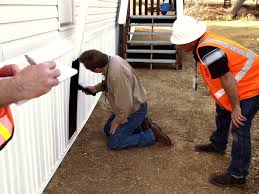
So what exactly does a home inspector do? These trained professionals thoroughly examine a house from top to bottom, inside and out. They have an eye for detecting issues, both big and small, that you’d likely miss as a buyer.

During a typical home inspection, the inspector will assess the condition of major components, like:

  • Foundation, basement, and structural elements.
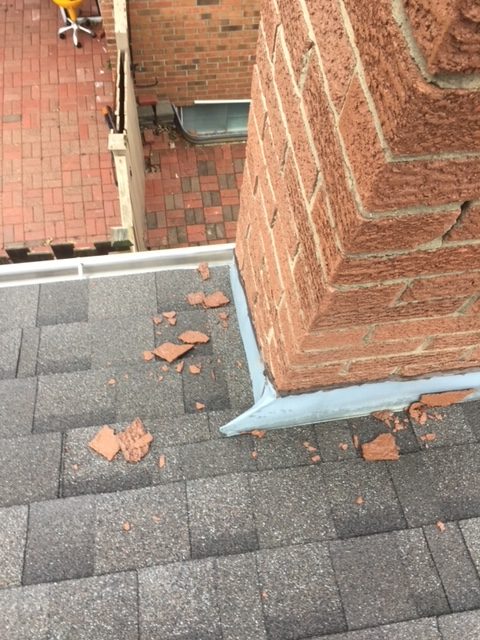
  • Exterior components – roof, siding, windows, and doors.
  • Plumbing, electrical, and HVAC systems.
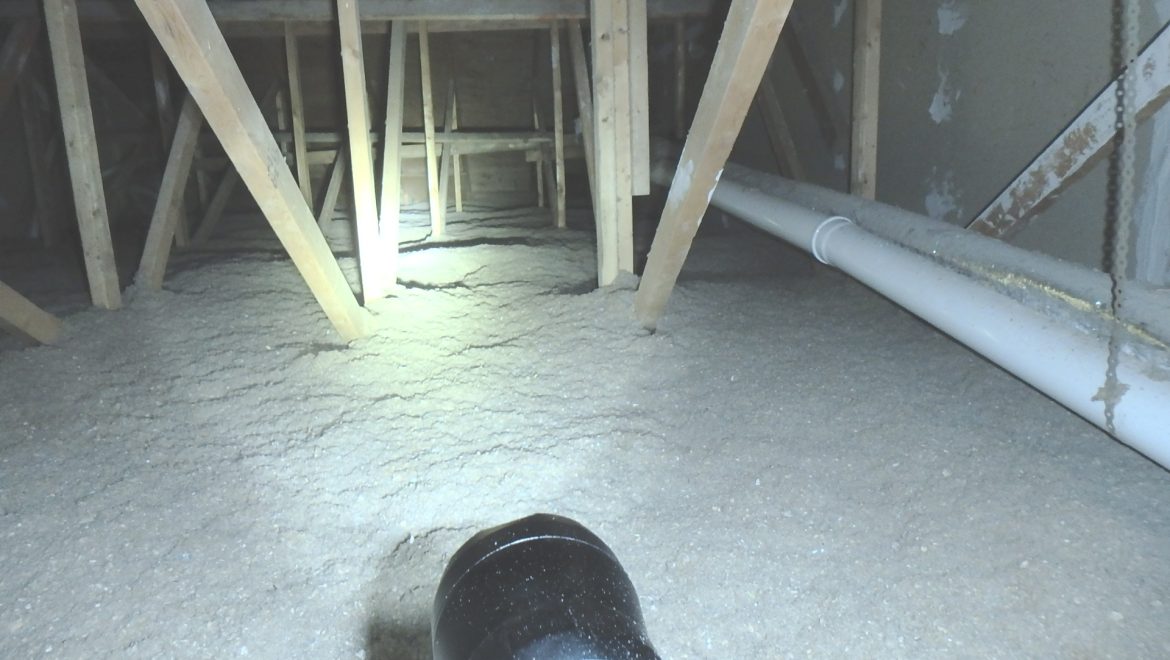
  • Attic, ceilings, walls, and floors.
  • Kitchen and bathroom areas

After their evaluation, you’ll receive a detailed report documenting all findings and potential problem areas requiring repairs or upgrades.

Why Home Inspection Services Are So Important?

Here are some key reasons why getting that home inspection proves invaluable:

  • Identifies Hidden Issues

Many home defects are not easily visible to an inexperienced homeowner. Problems like water leaks, pest infestations, outdated wiring, and structural weaknesses can remain undetected until major damage occurs.

Inspectors have the know-how to uncover these issues early before they escalate into expensive nightmares.

  • Negotiation Power

If the inspection report reveals needed repairs, you’ll have far more negotiating power with the seller.

You can ask for repairs to be done upfront or renegotiate the price based on estimated repair costs, so you will not be stuck paying high replacement costs yourself after the purchase.

  • Budgeting Insights

Knowing the home’s condition gives you a clear picture of what systems or areas will likely need updates or replacement soon.

This allows you to plan and budget for those future costs, rather than being blindsided by sudden repair bills. 

  • Mental Calmness

Perhaps most importantly, an inspection provides priceless peace of mind for the buyer. You can proceed with confidence, knowing exactly what you’re getting into with no horrible hidden defects waiting.

The Right Home Inspector Matters

While home inspections are crucial, it’s equally important to hire an experienced, certified home inspector you can trust. When evaluating inspectors, make sure they:

  • Are licensed and trained per provincial requirements.
  • Having extensive experience inspecting properties like yours.
  • Use innovative tools and testing methods.
  • Provide a full written report with photos/videos.
  • Have stellar reviews and references from past clients

A little research goes a long way in finding an inspector with the right qualifications.

Conclusion

Hiring a professional home inspection service may seem like an added upfront expense when you’re already spending so much. But in reality, it’s an incredibly wise investment that saves you exponentially more in the long run. 

With a proper inspection, there are no unexpected costs to surprise your budget after purchase. You can confidently move forward knowing exactly what you’re getting into with a property.
home inspection
Home Inspection, Home Inspector

What to Expect During a Home Inspection: A Step-by-Step Guide

Purchasing a home is an important choice. It’s one of the biggest investments you’ll ever make. That’s why it’s so important to have a professional home inspection before finalizing the purchase.

A proper inspection can uncover any potential issues or problems with the property. As a homebuyer or seller, you need to understand the home inspection process.

This guide will walk you through exactly what to expect step-by-step.

What is a Home Inspection?

A home inspection is when a certified professional inspector thoroughly examines a home from top to bottom. Their job is to identify any defects, damages, safety issues, or code violations present. This gives the buyer a clear picture of the home’s condition before committing to the sale.

Why Get an Inspection?

Even if a home looks perfect, there could be hidden problems that your eye might miss. Plumbing leaks, roof damage, electrical wiring issues – an inspector knows exactly what red flags to watch for.

Getting an expert assessment protects you as the buyer from unexpected (and potentially expensive) repair costs down the road. 

The inspection also gives the seller a chance to make any needed repairs or renegotiate the price based on the findings.

Overall, an inspection brings a huge level of transparency to the sale that benefits all parties.

The Inspection Process

  • Scheduling the Inspection

Once you’ve picked a certified home inspector, they will schedule a time to come out to the property. Inspections typically take 2-4 hours, depending on the home’s size. The buyer, seller, and real estate agents are free to attend and follow along.

  • The Walkthrough

During the walkthrough, the inspector will systematically go through every area of the home, both inside and out. They will examine the:

  • Exterior (roof, siding, foundation, etc.)
  • Interior rooms
  • All operating systems (plumbing, electrical, HVAC)
  • Attic and basement/crawlspaces
  • Garage

Using specialized tools and expertise, they will identify any issues like moisture intrusion, code violations, and worn-out components in need of repair or replacement.

  • The Report

After the walkthrough, the inspector will compile all their findings into a report, usually within a few days.

This report will include detailed notes, photos of any problem areas, and a summary of the home’s overall condition.

The seller also gets a copy to understand what work, if any, is required on their end.

  • Following Up

Once the report is received, the buyer and seller (or their real estate agents) can discuss and negotiate next steps based on the findings. If major issues were uncovered, the buyer could request repairs be made, ask for credits to cover repair costs, or even terminate the contract.

Wrap Up

Although there is an initial cost associated with a home inspection, it offers sellers and buyers invaluable information.

You can move forward with your home purchase or sale with confidence if you have a professional inspect the property.

Don’t skip this important step when buying or selling a home; instead, proceed according to this detailed guide.  The small cost of an inspection gives you major assurance when it comes to one of the biggest financial decisions of your life.


home inspector
Home Inspection, Home Inspection Near me

Choosing the Right Home Inspection Service: Factors to Consider

Selecting a home inspection service is an important step in the journey of homeownership or property investment. A major impact on your peace of mind as well as the safety and value of your property can result from the decision you make.

In this blog, you will get to know about the process of choosing the right home inspection service and explore the essential factors to consider.

By understanding important factors, you will be able to make the right decision and start your homeownership journey with confidence.

Qualifications and Experience

One of the most important factors to consider is the qualifications and experience of the inspector. Look for inspectors who have undergone proper training, hold relevant certifications, and have extensive experience in the field.

A qualified inspector will have a complete understanding of building codes, construction methods, and common problem areas.

Inquire about their specialties, if any, such as inspecting older homes or specific types of construction.

Reputation and Reviews

In today’s digital age, it’s easy to research the reputation of a home inspection service. Examine online reviews from past clients to find out how happy they were with the service.

Pay attention to comments about the inspector’s professionalism, attention to detail, and communication skills. A reputable service should have a track record of positive reviews.

Scope of Inspection

Different home inspection services may offer varying levels of inspection coverage. It is critical to understand the inspection’s scope and make sure it meets your needs.

A detailed inspection of the entire property, including the HVAC system, plumbing, electrical, and structural components, may be provided by certain inspectors.

Others may focus solely on specific areas or offer additional services like environmental testing or energy audits. Discuss your requirements with the inspector to ensure they can provide the level of inspection you need.

Report Quality

The quality of the inspection report is important. In order to make well-informed decisions regarding the property, a comprehensive and comprehensible report is essential.

Look for inspection services that provide comprehensive reports with clear explanations, photographs, and recommendations for addressing any identified issues.

A well-structured report will help you prioritize necessary repairs or renovations and serve as a valuable reference for future maintenance.

Availability and Response Time

Time is often of the essence when buying or selling a home. Consider the availability and response time of the home inspection service.

Inquire about their scheduling flexibility and how quickly you can expect to receive the inspection report after the visit.

A reliable service should be able to accommodate your timeline and provide the report quickly to enable you to make the right decisions without delays.

Communication and Customer Service

Effective communication and excellent customer service are essential qualities to look for in a home inspection service.

The inspector should be approachable, willing to answer your questions and provide clear explanations throughout the inspection process.

A good inspector will take the time to walk you through their findings, address any concerns, and offer guidance on how to proceed.

Conclusion

Choosing the right home inspection service is a crucial decision that can have a significant impact on your home-buying or selling experience.

Remember, a reliable home inspection service can help you make informed decisions, identify potential issues, and ensure a smooth and successful transaction.


Home Inspection
Home Inspection

Can a Home Inspection Uncover Hidden Problems?

A home purchase is a big financial commitment, so it’s critical to make sure it’s structurally solid and free of hidden problems for both financial security and peace of mind. While a property may appear perfect on the surface, there could be underlying problems that may not be immediately visible to the untrained eye. This is where a professional home inspection comes in. In this blog, we’ll explore how home inspections can uncover hidden problems, the importance of this process for homebuyers, and what to expect during a home inspection.

Identifying Structural and Safety Issues

  1. Foundation and Structural Components: A home inspection involves a thorough examination of the property’s foundation and structural components. Unstable roofs, sagging floors, and cracked foundations are examples of structural problems that can seriously affect a home’s stability and safety. These sections will be examined by a qualified inspector to look for any indications of wear and tear or deterioration that could jeopardize the property’s structural stability.
  2. Electrical and Plumbing Systems: Hidden electrical and plumbing problems pose safety hazards and can lead to costly repairs if left unaddressed. During a home inspection, the electrical and plumbing systems are carefully examined to identify any issues such as faulty wiring, outdated electrical panels, or leaky pipes. Detecting these problems early can prevent potential fire hazards or water damage and allow for necessary repairs or upgrades to be made.
  3. Mold, Mildew, and Pest Infestations: Moisture-related issues such as mold, mildew, or pest infestations are common concerns in homes, particularly in areas with high humidity levels. A comprehensive examination of the property’s exterior and interior is part of a home inspection to look for evidence of pest activity, mold growth, or water intrusion. It is imperative to promptly identify and address these issues to preserve a healthy indoor environment and avoid harming the home’s furnishings and structure.

Evaluating Mechanical Systems and Appliances

  1. Appliances and Fixtures: Home inspectors also evaluate the condition and operation of major appliances and fixtures, including refrigerators, stoves, dishwashers, and water heaters. Malfunctioning appliances or fixtures can disrupt daily routines and incur additional expenses for repairs or replacements. Identifying issues with these components during a home inspection can help buyers make informed decisions and negotiate repairs or replacements with the seller before finalizing the purchase.
  2. Energy Efficiency and Insulation: Energy efficiency is an important consideration for homeowners looking to reduce utility costs and minimize their environmental impact. A home inspection may include an assessment of the property’s insulation levels, windows, and doors to identify areas where energy loss may occur. Recommendations for improving energy efficiency, such as adding insulation or upgrading windows, can help homeowners save money on utility bills and enhance indoor comfort.

Providing Peace of Mind and Negotiating Power

  1. Peace of Mind for Buyers: For homebuyers, a comprehensive home inspection provides peace of mind knowing that their investment is protected. By uncovering hidden problems and potential safety hazards, buyers can make informed decisions about whether to proceed with the purchase, negotiate repairs or credits with the seller, or walk away from the deal altogether if the issues are too significant.
  2. Negotiating Power: Armed with the findings of a home inspection report, buyers have greater negotiating power when it comes to finalizing the terms of the sale. Sellers may be more inclined to address identified issues or offer concessions to ensure the transaction moves forward smoothly. Additionally, buyers can use the inspection report to prioritize repairs and maintenance tasks once they take ownership of the property.
  3. Long-Term Savings: While home inspections may incur upfront costs, they can result in long-term savings by identifying potential problems before they escalate into major issues. Addressing maintenance and repair needs early on can prevent costly repairs down the line and help homeowners maintain the value and integrity of their investment over time.

Conclusion:

A professional home inspection is a crucial step in the home-buying process, providing valuable insights into the condition of the property and uncovering hidden problems that may not be immediately apparent. From structural issues to mechanical systems and energy efficiency, a thorough inspection gives buyers peace of mind, negotiating power, and the opportunity to make informed decisions about their investment. By investing in a home inspector, buyers can protect themselves from unforeseen expenses and ensure that their new home is safe, secure, and ready for years of enjoyment.


Home Inspection
Home Inspection

Why Should I Get a Home Inspection Before Buying?

A house inspection is an essential stage in the process of buying a property, which is a big financial commitment.  In this blog, we’ll go over the reasons why protecting your investment and your peace of mind requires a home inspection prior to purchase.

Unveiling Hidden Issues

Safety Concerns:

A home inspection can uncover safety issues that might not be visible during a casual viewing. This includes problems with electrical systems, structural integrity, or hazardous materials like mold or asbestos.

Structural Integrity:

Inspectors can identify issues with the home’s foundation, walls, roof, and more. Detecting structural problems early can save you from costly repairs in the future.

Plumbing and Electrical:

A thorough inspection checks for plumbing leaks, outdated wiring, and other potential hazards that could pose risks to your family and your investment.

Negotiating Power

Price Negotiation:

Discovering problems through an inspection gives you the opportunity to negotiate with the seller. You can request repairs, a reduction in price, or other concessions based on the inspection findings.

Avoiding Surprises:

A home inspection prevents unexpected post-purchase expenses. You can make an informed decision on whether the property’s condition aligns with your budget and expectations.

Risk Mitigation:

By addressing issues before closing the deal, you reduce the risk of investing in a property that may become a financial burden.

Long-Term Savings

Maintenance Insight:

Home inspectors often provide guidance on regular maintenance, helping you understand how to care for your property to prevent future issues.

Energy Efficiency:

Inspections can identify areas where the home can be more energy-efficient, potentially saving you money on utility bills in the long run.

Future Planning:

Knowing the condition of the property allows you to plan and budget for future repairs or upgrades, preventing financial surprises.

Protecting Your Investment

Avoiding Costly Surprises

Imagine discovering a malfunctioning electrical system or a leaky roof upon moving into your new house.  A home inspection can prevent such costly surprises by revealing issues in advance.

Long-Term Savings

While a home inspection may have an upfront cost, it can save you money in the long run. It helps you avoid buying a property that requires extensive, expensive repairs.

Peace of Mind

Knowing the true condition of the home you’re buying provides peace of mind. You can make an informed decision, free from the worry of hidden problems.

Conclusion

A home inspection is one of the most important steps in the purchasing process. It provides long-term savings, exposes underlying problems, and gives you leverage in negotiations. Most significantly, it gives you the information and assurance you need to choose your investment wisely.

Although there is an initial expense associated with a home inspection, it is a little amount to pay for the abundance of knowledge and security it offers. It’s a prudent financial decision and an investment in your future house. Thus, it’s a move you won’t regret to arrange a home inspection before you sign on the dotted line.


House Inspection
certified home inspector, Certified Home Inspector in Toronto, Certified home inspector toronto, Home Inspection, Home Inspection Near me, home inspection services, Home inspection Toronto, Home Inspector, Home Inspector Near me, Home Inspectors in Toronto, licensed home inspector, Licensed home inspector Toronto

What Are the Common Red Flags Discovered During a House Inspection?

Buying a house is a big deal, and ensuring you make a wise investment is crucial. That’s where house inspections come in. They help you discover any potential issues with the property before sealing the deal. In this blog, we’ll explore common red flags that can surface during a house inspection, helping you make informed decisions about your dream home.

Foundation and Structural Issues

Cracks and Settling:

  • Cracks in the foundation or walls can indicate settling, which might lead to structural problems over time.
  • Pay attention to the size, location, and direction of cracks.

Uneven Floors:

  • Sloping or uneven floors can suggest foundation issues or structural problems, which may require costly repairs.

Rot and Decay:

  • Check for signs of rot, decay, or water damage in wooden beams or structural elements. These can weaken the house’s integrity.

Plumbing Problems

Leaky Pipes:

  • Look for signs of water stains or damaged ceilings and walls, as they may indicate leaking pipes.
  • Test faucets and flush toilets to ensure proper water flow and drainage.

Water Pressure Issues:

  • Inadequate water pressure can be a sign of plumbing problems, such as clogged pipes or deteriorating plumbing systems.

Sewer Line Concerns:

  • Inspect the sewer lines for any blockages, backups, or tree root intrusions that can lead to plumbing headaches.

Electrical Concerns

Outdated Wiring:

  • Older houses could have obsolete electrical systems that don’t meet modern safety requirements.
  • Look for exposed wires, flickering lights, or outlets that don’t work.

Overloaded Circuits:

  • Check the electrical panel for signs of overloaded circuits or outdated fuse boxes. These can be fire hazards.

Safety Hazards:

  • Ensure the presence of ground fault circuit interrupters (GFCIs) in areas with water, like kitchens and bathrooms, to prevent electrical shocks.

Mold and Pest Infestations

Visible Mold:

  • Mold growth, often seen as black spots or patches, can be a health concern and a sign of moisture problems in the house.

Pest Damage:

  • Inspect for signs of pest infestations, such as droppings, gnaw marks, or insect nests.
  • Look for damaged wood, as termites can cause structural issues.

Ventilation and Moisture Control:

  • Ensure the house has proper ventilation and moisture control measures to prevent mold and pest problems in the future.

Asbestos or Lead Paint

  • Older homes may contain asbestos or lead paint, both of which are health hazards if disturbed

Conclusion:

House inspections services are your ally when it comes to making one of life’s most significant investments. Recognizing these common red flags can save you from purchasing a house with hidden issues that might turn your dream home into a nightmare. Remember, it’s not about finding problems to avoid buying; it’s about finding problems to make informed decisions and negotiate repairs or adjustments to the sale price. So, when it’s time for that house inspection, keep your eyes open, and let your knowledge be your power.

Home Inspection
Home Inspection

What Factors Affect the Cost of the Home Inspection?

You have got your dream house and are ready to enter the exciting world of home buying. You might be asking, among other things, what factors determine the cost of a home inspection. Let’s look into these elements to see why the investment can vary and what you should keep in mind as you prepare for this critical step.

Size of the Property

The size of the property is a major element in determining the cost of a home inspection. A larger home often needs more time and effort to thoroughly evaluate. There are more rooms, systems, and places to cover with increasing square footage. As a result, the cost of the inspection will rise along with the size of the property.

Complexity of the Property

The complexity of the property, in addition to its size, can influence the cost of the house inspection. If the property has unusual features, complex systems, or unusual designs, the inspector may need to devote extra time and attention to detail. A historic home, for example, with delicate woodwork and vintage systems may demand a more thorough inspection, thus increasing the cost.

Location of the Property

The cost of the house inspection is also affected by the property’s location. Prices can vary depending on geographical variances in living costs and the real estate market. You may find that the cost of services, including home inspections, is greater in places with higher living costs. It’s usually a good idea to look into the average costs in your area to have a better idea of what to expect.

Additional Services if Taken

A regular home inspection may not always cover everything you require. If you want to add on services like radon testing, mold inspection, or termite inspection, the entire cost will rise. These specialist services necessitate the use of specialized tools, equipment, and experience, all of which contribute to the higher investment. While they may increase the cost, they will also provide vital insights into prospective concerns that may influence your selection.

Complexity in Negotiation

While you are not directly negotiating the cost of the inspection, the negotiation process can have an impact on your overall spending. If the inspection report reveals severe flaws, you may be able to bargain with the seller. You may, for example, ask them to fund some of the repair costs or lower the selling price to account for necessary repairs. This phase in the negotiation process can have an indirect impact on the financial conclusion of your home inspection journey.

What should you know Before Investing in the Home Inspection?

Invest in Quality

When considering the factors that determine the cost of a home inspection, keep in mind that quality is vital. While you may be tempted to choose the lowest option, hiring a competent and reputed home inspector is critical. Examine inspectors for certifications, experience, and favorable feedback. In the long run, investing in a complete examination performed by a competent professional will save you from future difficulties and unexpected charges.

Set the Budget Wisely

Remember to budget for the house inspection when planning your home-buying procedure. While the cost will vary depending on the elements we’ve examined, it’s a minor investment for the insights and peace of mind it delivers. Just keep in mind that paying a little more on a thorough inspection can lead to better decision-making and potentially huge savings in the long run.

Understanding the elements that influence the cost of a home inspection is critical as you begin your home-buying journey. By anticipating these possibilities, you’ll be better prepared to budget sensibly and make an informed decision about one of the most important expenditures of your life.

home inspection
Home Inspection

What All Things Do Home Inspections Cover?

Are you investing in a new house soon, and beginning a new exciting chapter in your life? Well, apart from being an exciting adventure, you must acknowledge the fact that it is also a life-changing decision that involves your life savings.

You might have finally stumbled upon the perfect house for you and your family after months of searching, but it is important to ensure that the house is just as great as you think it is. Cabinets, tiles, or paint colors can be changed easily, but there are some other important aspects of the home that cannot be fixed that easily. And this is the reason why you must invest in a home inspection before you sign the papers.

Depending on the size and other individual features of the house, your home inspector would determine a way to carry out a thorough inspection of the entire property. Mentioned below is a list that would give you a general idea of what most of the home inspections tend to cover.

  • Foundation:
    Any reliable and competent home inspector would investigate the health of the foundation of the property, and even check for secondary signs of any foundation issues such as the likes of cracks or settling.
  • Roof:
    home inspection

                                    Home inspection

    As a prospective buyer, you would not go as far as climbing up the ladder and checking the condition of the roof during the open house. However, people hire home inspectors to inspect the parts of the house that they themselves cannot. Your inspector would be able to inspect the condition of the roof and determine its approximate age. Moreover, they would also look for any potential damage or poor installation that can cause water damage to occur in the future.

  • Building envelope:
    The outside structure of your potential future house is another aspect that should be and is thoroughly inspected by your professional home inspector. This tends to include checking out crawlspaces under the house, the seal of all the windows and doors, and so on and so forth.
  • Plumbing:
    Your home inspector would also check the condition of the plumbing in all the toilets, showers, and faucets and look for any visible leaks, all of this while testing the water pressure too. They would also let you know what kind of pipes the house has. If the house has old pipes that need to be repaired or replaced, it would help you negotiate the original price of the house.
  • Electrical:
    Electrical is one of the few things that differ from house to house, it is especially quite different in older homes. Your home inspector would let you know the type of wiring your potential future house has, make sure that there are functional ground fault circuit interrupters, and test every single outlet in the house. Moreover, they would also inspect the electrical panel to ensure that all of it is in proper working condition in order to eliminate any safety or fire hazards.

These were just a few important things that a home inspection tends to cover if you hire a professional and reliable home inspector.

Home Inspector Newmarket
Home Inspection

How to Find the Best Home Inspector for Your Property Inspection Needs

Property or home inspection is a vital process during a real estate deal to evaluate the real value of a property. It is done with the help of professional home inspectors in the region. They help buyers and sellers with a thorough home inspection process to identify potential issues in the house before finalizing the real estate deal.

When you look to professionally inspect a house, the first thing you should do is to search and find the best home inspectors in your region. The real deal is to select the right one as per your requirements by considering various factors. Here’re some tips that you can utilize while searching for the best home inspector for your property inspection needs.

Search online for the local home inspectors in your region

Go to Google and perform a location-based search on the internet to find out all the home inspectors offering their services in your region. Make a list with their website address and contact number to investigate further about their services and fees.

Look for their reputation in the market among their clients

It is a great way to filter your list to identify the best home inspectors in your region based on their reputation in the market. You can check the online reviews, ratings, and testimonials to get an idea about their professionalism and how reliable and trustworthy they are in providing their services.

Check their website and previous work

Once you have the list of best home inspectors in your region, it’s time to go through their website to take a look at their services and previous work. It will give you a clear idea about what kinds of services they offer as part of their home inspection process and how they do it. Don’t forget to check their previous work on the website to know the level of experience and expertise they have in the industry.

Make sure they have a physical office address

Don’t partner with someone who doesn’t have a real office address to deal with the clients. It is very important to arrange a face-to-face appointment with the home inspector in order to explain your requirement for home inspection and how they can help with it.

Do they offer a written contract for their services

It is very important to have a written contract with your home inspector to avoid any future inconvenience. Your contract will mention the agreement between both the parties, date of inspection, types of inspection services, date of report submission, and fees they are charging. All the things should be agreed upon and signed by both parties well before the inspection process.

Using the above points, you can easily find out the best home inspectors in your region for reliable services as per your requirements. A home inspection is a process that helps you identify the mandatory fixes and repairs you will need before closing the deal. You cannot depend on someone unprofessional and inexperienced for the work that is very important in taking one of the biggest financial decisions of your life.

Certified Home Inspection
Home Inspection

The 3 Most Frequently Asked Questions about Home Inspection

Whether you are a home buyer or seller, signing an agreement without a home inspection process is not a brainer. We know it’s an add-on expense, but it’s important for your safety and to secure your investment.

During the Home Inspection, a specialized officer checks the damages and defects of the house you are planning to sell or buy and prepare a report based on different parameters. They look after structural, mechanical, electrical, and plumbing issues to ensure that the house is safe to live in. Not only this, the report prepared by a home inspector gives an upper hand while negotiating the cost from the other party. At every step of a home sale or purchase deal, home inspection plays an important role.

Even with so many advantages, people hesitant about getting their house inspected before selling or buying because of lots of questions in their minds. You might also come across these while making a deal.

To make things easy, we have answered the 3 most frequently asked questions about the home inspection in this post.

What is the cost of the home inspection service?

The cost of the service depends on the company you hire and other variables defined by the Home Inspectors

The variables are:

Home Inspection

                                        Home Inspection

  • Location of the property or the time taken by the inspector to reach the location
  • Size and age of the home
  • Condition of the real estate market
  • The urgency of the inspection and report delivery
  • Any additional services like mold inspection

You should not determine the cost before communicating with professionals. The best is to research online or ask for a price quote.

How long the home inspection process takes?

Just like the cost of the service, there is no standard time for the home inspection report. It depends on the number of officials working on the property and the following factors.

  • Size and age of the property
  • Number of systems installed and need to be inspected
  • Accessibility to the areas to be inspected
  • The weather condition of the property location
  • State regulations and permissions if required
  • Questions and answer session with the client
  • Additional services

Usually, it takes 3 to 4 hours, but still, you shouldn’t assume. Also, you shouldn’t rush during the home inspection.

What is the process of a home inspection?

  • The home inspection process starts with an initial consultation with the client. This consultation is majorly is for knowing the client’s expectations from a home inspection.
  • Once the details are noted, the home inspector visits the location and checks the details from the top to bottom. The expert does not leave any corner of the house.
  • Upon completion, the inspector gives a verbal overview of his findings or provides a comprehensive inspection report. Along with the report, most home inspectors advise the right steps to improve the condition or tricks to negotiate the cost.

Due to cost and lack of time, people often think of DIY Home Inspection, but they forget that it’s not so easy. A home inspector’s job is like an advocate who analyses the home structure or utilities and proves his words. So hire a certified home inspector and save your investment.