
Certified Home Inspector in Toronto

House Inspection Services
Certified Home Inspector in Toronto

Top Tools and Technologies Used by Modern Home Inspectors

Buying a new place is super exciting but also a huge deal. You want all the details about the house or apartment you are eyeing before you spend all that money. That’s where home inspectors come in.

These professionals in Canada use some seriously cool tools to check properties from top to bottom. Due to modern technology, they can now access specialized equipment that gives them X-ray vision into every detail.

The Must-Have Gadgets for a Fantastic Home Inspection

Home inspectors have a bunch of go-to tools in their collection to properly assess every inch of a property. Some of the essentials include:

Moisture Meters

Contrary to their name, these are awesome little devices that can detect moisture levels in materials like wood, drywall, and insulation.

Home inspectors use them to find any water damage, leaks, or dampness that could allow mold to grow and cause structural issues down the road.

Thermal Imaging Cameras

These cameras make temperature differences visible with cool, colorful imagery. Inspectors use heat vision to spot poor insulation, air leaks, or potential moisture hiding behind walls and ceilings.

Home Inspection Cameras

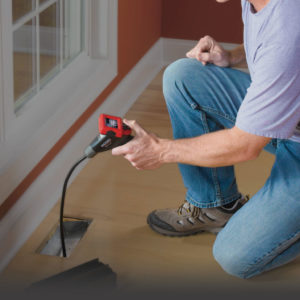
Picture a tiny, bendy camera that can squeeze into super tight spaces like chimneys, ductwork, or cramped crawlspaces. Yep, it allows home inspectors to keep an eye on areas they can not physically access. 

Ladders and Safety Gear

It is not exactly modern tech, but home inspectors one hundred percent need solid ladders and proper safety equipment like harnesses to safely climb up on roofs, into attics, and into elevated areas.

The Cutting-Edge Technology Changing the Home Inspection Game

On top of those standard tools, home inspectors are utilizing some awesome modern technologies to provide even more in-depth evaluations:

Drones

That’s right, home inspectors can now use drones equipped with high-resolution cameras to visually inspect tall, hard-to-reach areas like roofs and chimneys without having to lug around ladders. Safer and way more efficient!

Specialized Apps

There are various rad apps designed specifically to help home inspectors do things like generate digital reports, store/access data, and easily share information with clients.

Smart Home Devices

Connected technologies like smart smoke detectors, security systems, and energy monitoring devices can give inspectors valuable intel about the home’s overall condition and performance.

Conclusion

Canadian home inspectors are keeping up with the latest advancements in technology and tools as the real estate industry continues to change.

With the help of cutting-edge tools like moisture meters, thermal cameras and drones, they can easily and thoroughly inspect properties and spot any possible issues.

Inspectors who remain on top of their game can offer excellent service to buyers considering one of their largest investments to date.


certified home inspector
Certified Home Inspector in Toronto

The Importance of Hiring a Certified Home Inspector: What You Need to Know

Buying a home is one of the biggest financial investments most people will make in their lifetime. As there is so much depending on this purchase, it is essential that you ensure the property is in excellent condition and does not have any major problems.  This is where having a certified home inspector’s expertise comes in.

We are going to explore the importance of hiring a certified home inspector and why it is necessary to take this step before buying a home.

You will be able to identify potential problems that will provide satisfaction, and you will also learn about key reasons why this professional assessment is important for any prospective homeowner.

The Expertise of Certified Home Inspectors

Certified home inspectors are specially trained experts who have completed comprehensive education and practical training to develop their expertise. They are experienced and expert in building construction, systems, and maintenance. They thoroughly inspect the property using their knowledge.

These experts will inspect the entire house, from the foundation to the roof, looking for any indications of damage, normal tears, or possible problems. They will evaluate the state of the major systems in the house, including the HVAC, plumbing, and electrical, to make sure everything is operating safely and correctly.

You can access a wide range of specialized knowledge by hiring a certified home inspector, who can identify hidden issues that the inexperienced person overlooks. When it comes to making an informed and right decision regarding the purchase of your home, this level of experience can be extremely helpful.

Identifying Potential Issues

Hiring a certified home inspector has many advantages, the most significant being their ability to spot possible problems with the property before you decide to buy it.  These professionals can identify even the smallest indicators of problems, like hidden water damage, old wiring, or structural cracks. They have excellent knowledge of every detail.

A certified home inspector can provide you with detailed reports for every single problem, as well as their estimated repair costs, through a comprehensive inspection.

Protecting Your Investment

A home purchase is a big financial commitment, so you want to be sure you are choosing wisely and sensibly. To protect your investment and secure your financial future, it is crucial that you hire a certified home inspector.

These experts are able to spot any serious problems that might later require expensive repairs, giving you the option to adjust your budget or even decide not to make the purchase at all.  Their expertise can also help you avoid the unexpected expenses that come with purchasing a home with hidden problems.

Conclusion

Hiring a certified home inspector is the most important step in the home-buying process. They are highly trained, educated, and experts in doing an inspection of a home. They can easily highlight the major issues within the given time and provide proper solutions about how we can repair them.

You can take the help of a certified home inspector to make an informed decision and avoid the high costs that come with buying a property without a thorough inspection.


Certified Home Inspector
Certified Home Inspector in Toronto

When Is the Right Time to Schedule a Certified Home Inspection?

Whether you’re about to purchase your dream home or considering putting your current abode on the market, the timing of a certified home inspection is a crucial factor. In this blog, we’ll unravel the mysteries behind when the stars align for the perfect home inspection. Let’s dive into the conversation without the unnecessary terms.

Before the Purchase Offer

When it comes to home inspections, being the early bird can indeed catch the worm. Scheduling a certified home inspection before you make a purchase offer provides you with a clear understanding of the property’s condition. It’s like peeling back the layers before committing to a relationship – ensuring there are no surprises lurking beneath the surface.

During the Contingency Period

Upon the acceptance of a purchase offer, the ensuing contingency period presents an opportune juncture for a certified home inspection. This phase functions as a safeguard, allowing for negotiations on repairs or potential reconsideration of the offer in light of any substantial issues uncovered. Regarded as a prudent investment, this inspection acts as a mitigating factor against potential complications post-acquisition.

Selling Your Home

For those positioned on the selling side, the strategic utilization of pre-listing inspections holds considerable advantages. Conducting a certified home inspection before listing your property demonstrates a proactive stance. This approach showcases the property’s strengths and addresses any potential issues upfront, potentially enhancing its appeal to prospective buyers and expediting the selling process.

Seasonal Considerations

Weather conditions assume significance in the timing of home inspections. While these inspections can be conducted throughout the year, scheduling during milder weather conditions is advantageous. Optimal weather conditions facilitate a more effective assessment, minimizing challenges posed by extreme temperatures or adverse weather, thereby ensuring a thorough examination of the property.

New Construction

For those embarking on the journey of new construction, the timing of a home inspection is pivotal. Scheduling the inspection prior to the builder’s final walkthrough is advisable. This preemptive approach allows for the identification and rectification of any issues before official possession, ensuring that the new home aligns with the envisioned standard of perfection.

Regular Home Checkup

Beyond real estate transactions, the periodic scheduling of home inspections is a judicious practice. This routine checkup serves as a preventive measure, akin to an annual physical examination, ensuring the ongoing health and integrity of your property by identifying and addressing potential issues before they escalate.

Visible Issues or Concerns

In instances where visible issues or concerns manifest themselves, trust your instincts and promptly call a certified home inspector. This proactive approach aligns with the philosophy of addressing potential problems early on, serving as a preventative measure to mitigate the escalation of issues.

Real Estate Market Dynamics

Accounting for real estate market dynamics is prudent in determining the optimal timing to call a certified home inspector. During peak seasons or in a seller’s market, certified home inspectors may experience heightened demand. Therefore, scheduling in advance becomes imperative to secure a convenient slot, akin to planning ahead for a coveted event, ensuring availability aligns with your timeline.

Conclusion

Hiring a certified home inspector is a crucial step in the home-buying journey. And right timing ensures that you have the necessary information to make informed decisions without unnecessary stress or haste. So, before you start imagining backyard barbecues or cozy evenings by the fireplace, make sure to nail the timing of your home inspection – it’s a small investment that can save you from potential headaches down the road.

Home Inspection
Certified Home Inspector in Toronto

What Should You Expect During a Home Inspection Process?

Buying or selling a home can be an exciting yet nerve-wracking experience. One crucial step in this process is the home inspection. A certified home inspection is a detailed examination of a property’s condition and structure. It helps both buyers and sellers understand the true state of the property, enabling informed decisions. Let’s break down what to expect during a certified home inspection.

Pre-Inspection Preparation

Scheduling the Inspection: Make contact with a licensed home inspector and arrange an inspection time and date that works for you. Make sure the schedule is agreed upon by the seller and the buyer.

Getting to the Property: Make sure the inspector can easily access the premises. Unlock all doors, gates, and crawl spaces, attics, and basements, among other places that require inspection.

Systems and Utilities: Verify that all utilities, including gas, water, electricity, and HVAC systems, are operating as intended. This allows the inspector to thoroughly assess these systems during the inspection.

Documentation and Disclosure: Gather any documents related to renovations, repairs, or maintenance done on the property. Disclose any known issues or concerns to the inspector beforehand.

Comprehensive Property Examination

Detailing the aspects covered during the actual home inspection process:

Exterior Evaluation: The roof, siding, foundation, windows, doors, gutters, and drainage systems are all inspected by the inspector. They search for indications of harm, degradation, or possible upkeep requirements.

Internal Evaluation: The inspector looks at the floors, doors, windows, walls, and ceilings inside the property. They look for obvious flaws, structural problems that could compromise the integrity of the property, water damage, cracks, and other problems.

Mechanical Systems Inspection: The inspection includes a thorough assessment of mechanical systems such as HVAC, electrical, plumbing, and appliances. The inspector checks for functionality, safety concerns, and signs of wear or damage.

Roof and Attic Examination: The inspector evaluates the roof’s condition, looking for leaks, missing shingles, or structural issues. They also examine the attic for proper insulation, ventilation, and potential pest infestations.

Report and Documentation

Understanding the creation and presentation of the inspection report:

Detailed Inspection Report: After the inspection, the certified inspector prepares a detailed report outlining their findings. This report covers all inspected areas and includes descriptions of any issues or concerns identified.

Photographic Evidence: The report may include photographic evidence of problem areas to provide a clear understanding of the issues observed during the inspection.

Explanation of Findings: The inspector will explain the findings to the client, highlighting any significant concerns or areas that require attention. They may offer recommendations or solutions for addressing identified issues.

Timeline for Report Delivery: Ask the inspector about the timeline for delivering the inspection report. Timely receipt of the report allows both buyers and sellers to proceed with negotiations or necessary repairs promptly.

Post-Inspection Actions

Reviewing the Report: Carefully review the inspection report to understand the property’s condition thoroughly. Seek clarification from the inspector about any aspects that require further explanation.

Negotiations and Further Inspections: Based on the inspection findings, buyers may negotiate repairs or credits with the seller. In some cases, additional specialized inspections may be recommended for further assessment of specific issues identified.

Repairs and Maintenance: Address any critical issues highlighted in the inspection report. Prioritize necessary repairs and maintenance to ensure the property’s safety and integrity.

Future Planning: Use the inspection report as a reference for future maintenance and improvements. It serves as a valuable guide for ongoing property care and upkeep.

Conclusion

A certified home inspection is a pivotal step in the home buying or selling process, providing valuable insights into a property’s condition. By understanding the inspection process, from preparation to receiving the report, individuals involved can make informed decisions regarding the property’s purchase or sale. This comprehensive examination allows for transparency and enables buyers and sellers to proceed with confidence in their real estate transactions.


House Inspection Services
certified home inspector, Certified Home Inspector in Toronto

What’s the Impact of House Inspection Services on Your House Insurance Rates

When it comes to homeownership, there are lots of things to consider. From mortgage payments to maintenance, the list of responsibilities seem endless. One crucial aspect often overlooked is the impact of house inspection services on your home insurance rates.

The Role of House Inspection Services in Protecting Your Investment

What’s the Purpose of Home Inspections?

Before you dive into the specifics of how home inspections affect your insurance rates, it’s essential to understand why they exist in the first place. House inspection services serve a dual purpose: they protect your investment and the insurance company’s interests.

For homeowners, inspections identify potential issues, hazards, or necessary repairs within the property. By addressing these concerns promptly, you prevent more significant problems down the line, saving you both time and money.

How Do Home Inspections Benefit Insurance Companies?

From an insurance company’s perspective, home inspections help assess the risk associated with insuring your property. By having a clear understanding of your home’s condition, they accurately determine your coverage needs and pricing. This benefits you too, as it ensures that you’re adequately protected in case of unexpected events.

The Impact of House Inspection Services on Home Insurance Rates

Lower Risk, Lower Rates

One of the most significant ways house inspection services impact your insurance rates is by reducing risk. When your home is thoroughly inspected and found to be in good condition, the insurance company perceives it as a lower-risk property to insure. As a result, they offer lower premiums and more affordable coverage.

For instance, if your home’s electrical and plumbing systems are up to code, there’s a reduced risk of fires or water damage, which lead to lower insurance rates. Similarly, a well-maintained roof lessens the chance of leaks and structural damage, another factor that positively influence your premiums.

Addressing Issues to Prevent Rate Increases

On the flip side, if the inspection uncovers issues that need immediate attention, it’s essential to address them promptly. Neglecting necessary repairs lead to increased insurance rates or even policy cancellations. Insurance companies expect homeowners to maintain their properties to a certain standard, and failure to do so can result in higher costs.

For example, if your inspection reveals an outdated electrical system, upgrading it to meet safety standards not only ensure your family’s safety but also prevent your insurance rates from skyrocketing due to the increased risk of electrical fires.

Final Thoughts

To determine the insurance rates of your home, the role of house inspection services is very crucial. Not only you, but even insurance companies enjoy the benefits of inspection services. With this service, you protect your investment as well as increase the safety and comfort of your family. Talking about insurance companies, they assess the risk accurately and provide appropriate coverage based on the inspection report.


Home Inspector
certified home inspector, Certified Home Inspector in Toronto, Certified home inspector toronto, Clients, Company, Home Inspector Near me, Licensed home inspector Toronto

What Is the Role of a Certified Home Inspector in the Homebuying Process?

Buying a home is a major life achievement, but the process may be scary and challenging. A critical step that frequently gives buyers peace of mind is engaging a licensed house inspector. In this blog, we’ll examine the function of a certified home inspector and show how their knowledge is an invaluable resource during the home-buying process.

The Inspection Essentials

Thorough Examination:

A certified home inspector conducts a comprehensive assessment of the property, examining its structural integrity, systems, and components.

Visual Inspection:

They visually inspect various aspects, such as the foundation, roof, plumbing, electrical systems, HVAC, and more.

Safety Check:

Inspectors prioritize safety, identifying potential hazards like faulty wiring, mold, or gas leaks.

Code Compliance:

They assess if the property adheres to local building codes and regulations.

Identifying Issues and Red Flags

Defect Detection:

Home inspectors pinpoint any defects or issues within the property, helping buyers make informed decisions.

Prioritizing Problems:

They categorize problems into critical issues that require immediate attention and minor issues that can be addressed over time.

Cost Estimations:

Inspectors can provide rough estimates for necessary repairs, aiding buyers in budgeting.

Negotiation and Decision-Making

Negotiation Leverage:

Armed with the inspector’s report, buyers can negotiate with sellers to address issues, request repairs, or adjust the selling price.

Informed Choices:

Buyers can make informed decisions about whether to proceed with the purchase, renegotiate terms, or walk away if the property’s condition doesn’t align with their expectations.

Future Preparedness

Maintenance Guidance:

Inspectors often provide recommendations for ongoing maintenance, helping homeowners prolong the life of their property.

Peace of Mind:

Knowing the property’s condition gives buyers confidence in their investment, reducing anxiety and surprises after moving in.

Selecting a Certified Home Inspector

Credentials Matter:

Look for a home inspector who is certified and a member of a reputable industry association. This ensures they meet professional standards.

Experience Counts:

Consider the inspector’s experience in the field. Experienced inspectors often have a sharper eye for potential issues.

Ask for Referrals:

Seek recommendations from your real estate agent or friends who have recently bought homes. Their experiences can lead you to a trustworthy inspector.

Interview Prospects:

Don’t hesitate to interview potential inspectors. Ask about their inspection process, how long it takes, and when you can expect to receive the report.

Sample Reports:

Request sample inspection reports to get a sense of their reporting style and thoroughness.

Conclusion:

A certified home inspector is essential to your house-buying process because they provide knowledge, safety, and peace of mind. You can make sure that your ideal home is more than simply a place to live by being aware of your responsibilities, choosing the correct specialist, and actively taking part in the inspection process. Therefore, keep in mind that a certified home inspector is your reliable guide to a happy and worry-free future in your new house as you set out on your home-buying adventure.


House Inspection
certified home inspector, Certified Home Inspector in Toronto, Certified home inspector toronto, Home Inspection, Home Inspection Near me, home inspection services, Home inspection Toronto, Home Inspector, Home Inspector Near me, Home Inspectors in Toronto, licensed home inspector, Licensed home inspector Toronto

What Are the Common Red Flags Discovered During a House Inspection?

Buying a house is a big deal, and ensuring you make a wise investment is crucial. That’s where house inspections come in. They help you discover any potential issues with the property before sealing the deal. In this blog, we’ll explore common red flags that can surface during a house inspection, helping you make informed decisions about your dream home.

Foundation and Structural Issues

Cracks and Settling:

  • Cracks in the foundation or walls can indicate settling, which might lead to structural problems over time.
  • Pay attention to the size, location, and direction of cracks.

Uneven Floors:

  • Sloping or uneven floors can suggest foundation issues or structural problems, which may require costly repairs.

Rot and Decay:

  • Check for signs of rot, decay, or water damage in wooden beams or structural elements. These can weaken the house’s integrity.

Plumbing Problems

Leaky Pipes:

  • Look for signs of water stains or damaged ceilings and walls, as they may indicate leaking pipes.
  • Test faucets and flush toilets to ensure proper water flow and drainage.

Water Pressure Issues:

  • Inadequate water pressure can be a sign of plumbing problems, such as clogged pipes or deteriorating plumbing systems.

Sewer Line Concerns:

  • Inspect the sewer lines for any blockages, backups, or tree root intrusions that can lead to plumbing headaches.

Electrical Concerns

Outdated Wiring:

  • Older houses could have obsolete electrical systems that don’t meet modern safety requirements.
  • Look for exposed wires, flickering lights, or outlets that don’t work.

Overloaded Circuits:

  • Check the electrical panel for signs of overloaded circuits or outdated fuse boxes. These can be fire hazards.

Safety Hazards:

  • Ensure the presence of ground fault circuit interrupters (GFCIs) in areas with water, like kitchens and bathrooms, to prevent electrical shocks.

Mold and Pest Infestations

Visible Mold:

  • Mold growth, often seen as black spots or patches, can be a health concern and a sign of moisture problems in the house.

Pest Damage:

  • Inspect for signs of pest infestations, such as droppings, gnaw marks, or insect nests.
  • Look for damaged wood, as termites can cause structural issues.

Ventilation and Moisture Control:

  • Ensure the house has proper ventilation and moisture control measures to prevent mold and pest problems in the future.

Asbestos or Lead Paint

  • Older homes may contain asbestos or lead paint, both of which are health hazards if disturbed

Conclusion:

House inspections services are your ally when it comes to making one of life’s most significant investments. Recognizing these common red flags can save you from purchasing a house with hidden issues that might turn your dream home into a nightmare. Remember, it’s not about finding problems to avoid buying; it’s about finding problems to make informed decisions and negotiate repairs or adjustments to the sale price. So, when it’s time for that house inspection, keep your eyes open, and let your knowledge be your power.

Home Inspector
Certified Home Inspector in Toronto

Does Home Inspection Guarantees That Nothing Will Go Wrong with the Home?

This is one of the common questions asked by our clients. According to them, the home inspection process ensures everything is perfectly fine and they are safe for their entire lives. They just need a confirmation from us.

Even though we are working with a team of certified home inspectors in Toronto, we cannot guarantee that 1 to 2 hours of inspection will keep things safe forever. We cannot say firmly that the house you are buying or living in will be the same always.

In this post, we will discuss what happens during the home inspection and things you should do.

A home inspection is a matter of a day or sometimes, just for a few hours. The trained and certified home inspectors look for defects, damaged components or systems, and other items that are not functioning properly or broken on the date of the inspection. Once the inspection day or time is over, the home inspector is not blamed for any defects or damages.

For example, if you buy or move to your house after a month or two and find the sink broken, which isn’t mentioned in the home inspection report, then you will have to face the consequences. It’s because the sink was perfectly fine during the inspection so the home inspector has not included it in the report. 

You just need to remember that “Home Inspectors Cannot Predict Future”.

Certified Home Inspector Toronto

                                 Certified Home Inspector Toronto

But this does not mean you will skip the home inspection process before buying a new house. If you do so, the possibility of safe and secured investment will reduce drastically. It will be like a blind deal where you know nothing about your property.

Though home inspection does not guarantee future safety, you should take a few steps to turn things in your favor. You should make sure that the transaction is currently safe.

What should you do to alleviate the overwhelming task of being a new homeowner?

Allow adequate time for the home inspection– Quality matters during the home inspection. So, you shouldn’t rush and ask the inspector to complete the work in minimum time. For every square foot, a certified home inspector requires a specific time. And you should allow him with that. It’s good to ask the approximate time before starting the inspection.

Ask the home inspector questions about the home– When the inspection is on the verge of completion, you should ask as many questions as possible. The home inspectors are always ready for questions. You should ask how things work in the house, how to maintain the items, how to maintain in and around the house, if there any update or upgrades required to increase the efficiency of the home, etc. If you don’t ask, the home inspector will leave the site after completing the process, thinking you are not interested to know anything. It will create a huge confusion in your mind.

Understand what is going to be on the home inspection report– After the inspection is complete, you should ask the home inspector about the report. Usually, home inspectors don’t discuss the findings with the clients during inspection; they prefer post-inspection review. You should inquire about the major defects and things that you can expect in the inspection report. It’s because home inspectors get to know the majority of the items that will be listed in the report during the inspection.

Read the home inspection report fully– Once you get the home inspection report, you should read it carefully. You should read in detail and shouldn’t skim it. People usually read the summary and think they know everything. Sometimes, the important facts are listed in their respective section of the report. Knowing the report thoroughly will be helpful for you during an emergency.

A home inspection is important for the right purchase. With this, you will get to know a lot about your home before purchase. You shouldn’t skip the process thinking that it does not provide any guarantee.

Certified Home Inspector in Toronto

Reasons to Hire Home Inspectors for Conducting New Construction Inspection

People in Toronto or any other location hire the service of a certified home inspector before buying or selling a house. They do so to avoid any structural, electrical, and plumbing issues in the future and get the close the deal at the best price.

But do you know that a home inspector can even inspect new constructions? Yes, it’s true.

If you are building a new house from the ground up, you should hire the inspection service for mistake-free construction and your present and future safety.

Not only for this, there are many other reasons for hiring a Certified Home Inspector in Toronto or other locations.

Reason 1#

To avoid imperfections in the new constructions

Even though your contractor is reputable, he cannot complete the project without flaws, especially when he is hiring subcontractors like electricians and plumbers. With so many different workers in one project, mistakes and imperfections are common because they all work differently.

Hiring a home inspector will centralize the work and minimize mistakes. It’s because he will thoroughly evaluate the workmanship and quality of materials to provide a report of the entire building’s condition.

Reason 2#

Certified Home Inspector in Toronto

                            Certified Home Inspector in Toronto

To reduce dependence on municipal code inspection 

For any new construction, a municipal code inspection is required. In municipal code inspection, inspectors only check for basic building code requirements, which wouldn’t be much helpful for you.

The code inspection will not give you a full assessment of the entire building. And incomplete information will lead to many problems.

Reason 3#

To avoid the hassle of repairs after you move in

Discovering a problem in your home after you have moved in isn’t a problem because it will be covered by your builder’s warranty. But getting it repaired is a huge disruption.

You have to take time out from your busy schedule and work with contractors to bring things on the right track. Also, you have to put some of your belongings into storage or temporarily move out of your home. With the new home construction inspection, all the repairs will be completed before the move in.

Reason 4#

To get a good resale price

If you are planning to resell your house after staying for a few years, a new constriction inspection will be of great help. It will speed up the selling process and help you get the best price for the property.

With no new construction inspection report in hand, you will not know your building’s flaws until your buyer conducts a Home Inspection. You can get your house inspected before selling but it won’t be as effective as a new construction inspection.

Considering these reasons, you might have understood that the service of a home inspector is no more confined to pre-built homes. So whether you are constructing a new house or moving to a pre-built house, hire a Certified Home Inspector in Toronto. You will be safe and reduce your expenses.