
certified home inspector

House Inspection Services
certified home inspector

Why You Should Hire a Certified Home Inspector for New Construction

It is exciting to purchase a new house, but even new homes can have problems. That’s why you need a certified home inspector.

They check everything to make sure your new house is safe and well-built. Let’s discuss about why hiring an inspector for your new home is a smart choice.

Why Inspect a New Home?

You might think a brand-new house doesn’t need an inspection, but that is not true. New houses can also have problems.

Certain builders may take shortcuts or make mistakes. These issues will be discovered by a competent inspector before you move in.

Advantages of Using a Certified Home Inspector

Expert Knowledge and Training

  • Certified inspectors undergo rigorous education and testing.
  • Stay updated on the latest building codes and safety standards.
  • Trained to identify potential issues that untrained eyes might miss.

Comprehensive Evaluation

  • Thoroughly examine all major systems and components of the home.
  • Provide detailed reports on the condition of:
  • Structural elements
  • Electrical systems
  • Plumbing
  • HVAC systems
  • Roofing and insulation

Unbiased Assessment 

  • Offer objective opinions, free from emotional attachment to the property.
  • No vested interest in the sale, ensuring honest evaluations

Cost Savings in the Long Run

  • Identify potential problems before they become major issues.
  • Help negotiate repairs or price adjustments based on findings.
  • Prevent unexpected expenses after moving in.

Legal Protection

  • Professional documentation can be valuable in cases of dispute.
  • Some certifications come with insurance or guarantees.

What a Certified Home Inspector Checks

Structure

The inspector looks at the foundation and frame. They check for cracks or weak spots. They ensure the proper construction of everything.

Roof

A good roof is crucial, and the inspector checks for loose roof shingles. They look for signs of leaks, and they make sure the roof will last.

Plumbing

Water problems can be costly, so the home inspector tests all faucets and toilets. They look for leaks in the pipes. They check the water pressure too.

Electrical System

Faulty wiring is dangerous, so the home inspector checks all outlets. They look at the electrical panel. They verify if everything complies with the law.

HVAC System

Heating and cooling are important. The inspector tests these systems, and they check for proper installation. Also, they make sure they work efficiently.

Windows and Doors

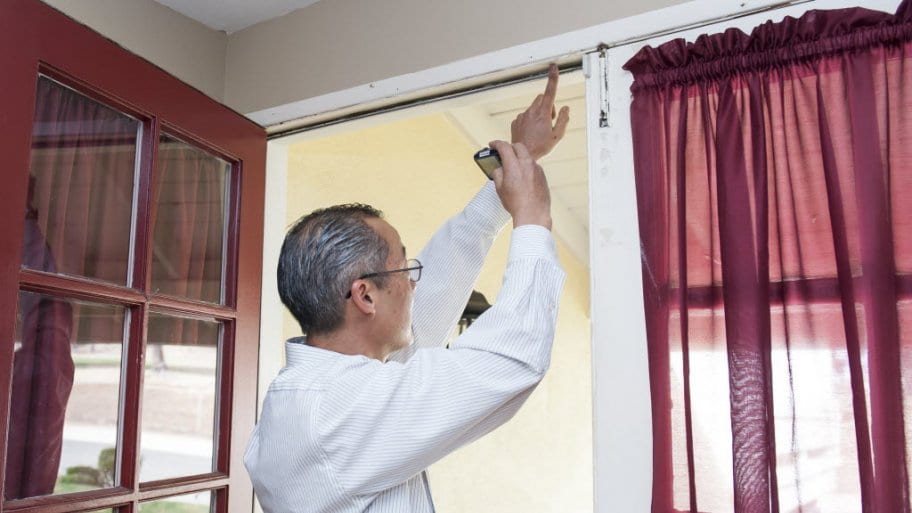
Good windows and doors save energy. The inspector checks their fit. They look for proper installation. They test if they open and close right.

Exterior

The outside of your home matters too. The inspector checks the siding and paint, and they also look at drainage around the house. They check for potential water issues.

The Home Inspection Process

Before the Inspection

Choose a certified home inspector and set a date for the inspection. The inspector might ask about any concerns you have.

During the Inspection

The inspector checks the whole house. This takes a few hours, and you can be there if you want. As they are working, you can ask questions.

After the Inspection

The inspector gives you a detailed report. They explain what they found, and they might suggest fixes for any problems. This helps you decide what to do next.

Conclusion

Hiring a certified home inspector for your new home is smart. They help ensure your house is safe and well-built. They can catch problems early.

This allows you to feel secure in your new house. Don’t skip this important step when buying a new house. It’s worth the time and money to know your home is in good shape.


 

House Inspection Expert
certified home inspector

Why You Should Hire a Certified Home Inspector for New Construction

It is exciting to purchase a new house, but even new homes can have problems. That’s why you need a certified home inspector.

They check everything to make sure your new house is safe and well-built. Let’s discuss about why hiring an inspector for your new home is a smart choice.

Why Inspect a New Home?

You might think a brand-new house doesn’t need an inspection, but that is not true. New houses can also have problems.

Certain builders may take shortcuts or make mistakes. These issues will be discovered by a competent inspector before you move in.

Advantages of Using a Certified Home Inspector

Expert Knowledge and Training
  • Certified inspectors undergo rigorous education and testing.
  • Stay updated on the latest building codes and safety standards.
  • Trained to identify potential issues that untrained eyes might miss.
Comprehensive Evaluation
  • Thoroughly examine all major systems and components of the home.
  • Provide detailed reports on the condition of:
  • Structural elements
  • Electrical systems
  • Plumbing
  • HVAC systems
  • Roofing and insulation
Unbiased Assessment
  • Offer objective opinions, free from emotional attachment to the property.
  • No vested interest in the sale, ensuring honest evaluations
Cost Savings in the Long Run
  • Identify potential problems before they become major issues.
  • Help negotiate repairs or price adjustments based on findings.
  • Prevent unexpected expenses after moving in.
Legal Protection
  • Professional documentation can be valuable in cases of dispute.
  • Some certifications come with insurance or guarantees.

What a Certified Home Inspector Checks

Structure

The inspector looks at the foundation and frame. They check for cracks or weak spots. They ensure the proper construction of everything.

Roof

A good roof is crucial, and the inspector checks for loose roof shingles. They look for signs of leaks, and they make sure the roof will last.

Plumbing

Water problems can be costly, so the home inspector tests all faucets and toilets. They look for leaks in the pipes. They check the water pressure too.

Electrical System

Faulty wiring is dangerous, so the home inspector checks all outlets. They look at the electrical panel. They verify if everything complies with the law.

HVAC System

Heating and cooling are important. The inspector tests these systems, and they check for proper installation. Also, they make sure they work efficiently.

Windows and Doors

Good windows and doors save energy. The inspector checks their fit. They look for proper installation. They test if they open and close right.

Exterior

The outside of your home matters too. The inspector checks the siding and paint, and they also look at drainage around the house. They check for potential water issues.

The Home Inspection Process

Before the Inspection

Choose a certified home inspector and set a date for the inspection. The inspector might ask about any concerns you have.

During the Inspection

The inspector checks the whole house. This takes a few hours, and you can be there if you want. As they are working, you can ask questions.

After the Inspection

The inspector gives you a detailed report. They explain what they found, and they might suggest fixes for any problems. This helps you decide what to do next.

Conclusion

Hiring a certified home inspector for your new home is smart. They help ensure your house is safe and well-built. They can catch problems early.

This allows you to feel secure in your new house. Don’t skip this important step when buying a new house. It’s worth the time and money to know your home is in good shape.

 

Certified Home Inspection
certified home inspector

How Certified Home Inspectors Use Technology to Enhance Inspections

Buying a house is a significant event. You want to make sure the house you’re getting is in good shape. That’s where certified home inspectors come in. These days, they’re using cool gadgets to do their job better.

In this blog, we will look at how technology helps certified home inspectors in Canada. We will also see how these tools make home inspections more thorough and accurate.

Why Technology Matters in Home Inspections

There are a lot more advanced tools available to certified home inspectors. These tools help them see things that aren’t visible to the naked eye. They can find problems that might be hiding in the walls or under the floor.

Advanced Tools Certified Home Inspectors Use

Thermal Cameras

These cameras resemble anything you would see in a spy film. They show heat instead of light. Certified home inspectors use them to find cold spots in walls.

These cold spots might mean there’s not enough insulation. They can also find hot spots that could be electrical problems.

Moisture Meters

A house can sustain significant damage from water. Moisture meters help find water where it shouldn’t be.

Certified home inspectors can use these to check if walls or floors are damp. This helps spot leaks or mold problems early.

Radon Detectors

Radon is another invisible gas that can be harmful. Certified home inspectors in Canada often check for this gas.

They use special detectors that can measure radon levels over time. This helps make sure the house is safe to live in.

Electrical Circuit Analyzers

These tools check if the electrical system in the house is working right. Certified home inspectors use them to test outlets and circuits. They can find problems that might cause fires or shocks.

Borescopes

These are like tiny cameras on the end of a flexible tube. Certified home inspectors can use them to look inside walls or pipes. This helps them find problems without having to break anything open.

How Technology Makes Inspections Better

All these tools help certified home inspectors do a better job. Here’s how:

They Find More Problems

Inspectors can identify problems with these tools that they might overlook with their naked eyes. This means you get a more complete picture of the house’s condition.

They’re More Accurate

Instead of guessing, inspectors can measure things exactly. This means the information you get is more reliable.

They Save Time

Some of these tools work quickly. This means the inspection might not take as long as it used to.

They Make Reports Clearer

Many of these tools can take pictures or videos. Certified home inspectors can include these in their reports. This makes it easier for you to understand what they found.

They Can Check Hard-to-Reach Places

With advanced tools, inspectors can look at areas that are hard to get to. This means you get a more thorough inspection.

Conclusion

Technology has changed how certified home inspectors work. These new tools help them do a more thorough job. This is great news for anyone buying a home in Canada.

Home Inspector
certified home inspector

How to Choose the Right Certified Home Inspector for Your Property

Buying a new home or property is an exciting moment, but it’s also a major investment that requires careful consideration. One crucial step in the process is hiring a certified home inspector to thoroughly examine the property and identify any potential issues or areas of concern.

However, with so many options out there, how do you choose the right professional for the job? In this guide, we will walk you through the key factors to consider when selecting a certified home inspector in Canada.

Knowing Why Home Inspections Are Important

Before we dive into the selection process, let’s first understand why home inspections are so important. A certified home inspector is a trained professional who will conduct a comprehensive evaluation of the property, including the structure, electrical systems, plumbing, heating and cooling systems, and more.

Their job is to uncover any defects, safety hazards, or potential problems that may not be immediately visible to an untrained observer.

Experience and Qualifications

It is critical to choose a certified home inspector who possesses the necessary training and a wealth of experience in the industry.  While specific certifications may vary across Canada, reputable inspectors should have undergone rigorous training and education programs.

They should have developed a keen eye for identifying issues and assessing a property’s condition accurately. Seek out inspectors who have performed inspections in your area for many years and who have a solid track record.

During the inspection process, their knowledge of regional building codes, building practices, and typical problems can be quite helpful.

Professionalism and Communication

Effective communication is key when working with a certified home inspector. Look for professionals who are responsive, punctual, and willing to answer your questions in a clear and understandable manner.

They should be able to explain their findings in a way that is easy for you to comprehend, without resorting to technical language. A professional and ethical inspector should maintain objectivity and avoid any potential conflicts of interest.

Their sole duty is to offer an objective evaluation of the property’s condition; they should not endorse or favor particular contractors or service providers.

Scope of Inspection and Reporting

When hiring a certified home inspector, it’s essential to understand the scope of their services and the type of report you can expect. Most inspectors will provide a comprehensive written report detailing their findings, including photographs and descriptions of any issues or areas of concern.

However, the level of detail and the specific areas covered may vary among inspectors. Some may focus more on structural elements, while others may delve deeper into electrical or plumbing systems.

Wrap Up

A comprehensive home inspection carried out by a certified home inspector can make all the difference because purchasing a new property is a significant financial commitment.

You can choose the best-certified home inspector for your needs by using the tips in this guide, which will help you feel confident and at ease throughout the entire process.


licensed home inspector
certified home inspector, Home Inspector

Selecting the Best Home Inspector: Questions to Ask Before Hiring

Buying a home is likely the biggest purchase you’ll ever make in a city like Canada. It is more than just an investment—it is a secure space where priceless family moments can be made and a home of your own.

However, expensive problems that are hidden from the average homeowner’s view can exist in houses. It is possible that subsurface issues like old wiring, water damage, or structural issues exist.

That’s why it’s so important to hire a qualified home inspector before finalizing the deal. This guide will help you find a reputable home inspector to perform a thorough assessment of the property by outlining the important questions to ask.

Verify Their Qualifications

In the majority of Canadian provinces, home inspectors must be licensed and complete proper training/certification programs. However, standards can vary, and so can your due diligence. A few must-ask questions:

  • What certifications, licenses, or professional memberships do you hold? (Ex: Canadian Association of Home & Property Inspectors.)
  • How many years of experience do you have in inspecting homes?
  • What specific training programs or courses have you completed?

An inspector’s qualifications give you confidence that they have the right skills and knowledge base to assess your property thoroughly.

Understand Their Process

A well-informed decision can be made if you are aware of what an inspection entails. 

The structure, exterior, plumbing, heating/air conditioning, electrical, and interiors of the house are among the common areas that are covered. Ask questions like:

  • What does your standard inspection process cover?
  • How long does a typical inspection take?
  • Will you provide a full written report, and how quickly?
  • Do you allow the buyer to attend the inspection?

Finding an inspector who is willing to patiently answer questions and explain their process is a major plus.

Check Reviews and References

Checking an inspector’s reputation is easy. Look for companies with strong reviews You can ask questions like:

  • Can you provide me with references or testimonials from past clients?
  • How do you handle complaints if the client is unsatisfied?

Speaking to prior customers gives you a real sense of their experience working with the home inspector.

Inquire About Pricing

A bit based on factors like the home’s size and age. Be wary of companies quoting extremely low rates. Ask questions like:

  • What is your base cost for inspecting a home of X square feet?
  • Are there any additional fees I should know about upfront?
  • Do you provide any discounts for the military, seniors, or other groups?

Getting a clear breakdown of costs ensures no surprise fees and allows you to properly budget.

Conclusion

When buying a property in Canada, one of the most crucial steps is to find a reliable, qualified home inspector.

Make sure you invest wisely by carefully examining their credentials, procedures, reputation, and costs.  An expert home inspector is equipped with the knowledge and skills necessary to evaluate a property’s condition in-depth.

Their thorough report will notify you of any significant maintenance requirements and areas for negotiation with the seller. You can avoid unexpected and costly issues later on by making this small initial investment.

home inspector
certified home inspector

What Are the Red Flags Uncovered by House Inspection Experts?

House inspections are crucial when purchasing a property, helping identify potential issues that might be hidden from plain sight. Professional inspectors uncover various red flags that could indicate significant problems within a house. Understanding these red flags is essential for informed decision-making. Let’s explore the most common red flags uncovered by house inspection experts.

Structural Integrity Concerns

Signs of Foundation and Structural Problems

Foundation Cracks: Inspectors pay close attention to cracks in the foundation. Horizontal cracks may indicate structural stress, while vertical cracks might result from settling. Wide or jagged cracks raise significant concerns about the stability of the foundation.

Uneven Floors: Floors that slope or feel uneven might signal structural issues. This could be due to foundation settlement, inadequate support, or structural movement. These issues can impact the entire house’s stability.

Visible Water Damage: Water stains or mold growth in the basement or crawl spaces indicate water intrusion. This might be due to poor drainage, leaks, or plumbing issues, potentially leading to structural damage over time.

Electrical and Plumbing Problems

Identifying Safety Hazards

Faulty Wiring: Inspectors check for outdated or faulty electrical systems. Issues like exposed wiring, overloaded circuits, or outdated panels pose fire hazards and may require immediate attention to ensure safety.

Plumbing Leaks: Signs of water stains, dampness, or musty odors around plumbing fixtures indicate potential leaks. Leaking pipes or fixtures can lead to water damage, mold growth, and structural issues if left unaddressed.

Inadequate Drainage: Poor drainage around the property can cause water accumulation, leading to foundation damage or basement flooding. Inspectors look for signs like standing water, soggy soil, or improper grading.

Roofing and Exterior Concerns

Assessing Protection and Durability

Roofing Issues: Damaged or missing shingles, sagging areas, or signs of wear and tear on the roof signal potential problems. Inspectors assess the condition of the roof to identify issues that might lead to leaks or structural damage.

Exterior Damage: Cracked or deteriorating siding, damaged stucco, or peeling paint indicate exterior issues. These issues not only affect the aesthetics but can also lead to moisture intrusion and structural damage.

Pest Infestation: Signs of pest activity, such as termite tunnels, rodent droppings, or wood damage, require immediate attention. Infestations can compromise the structural integrity of the house if left unchecked.

Safety Hazards and Health Concerns

Addressing Immediate Risks

Mold and Mildew: Inspectors look for signs of mold or mildew growth, which pose health risks and indicate moisture issues. Moldy odors, visible mold growth, or discoloration on walls and ceilings are red flags.

Safety Hazards: Inspectors check for safety hazards like loose handrails, unstable staircases, or inadequate fire exits. These issues jeopardize the safety of occupants and need immediate rectification.

Hazardous Materials: Presence of asbestos, lead-based paint, or other hazardous materials poses health risks. Inspectors identify these materials and recommend appropriate steps for safe removal or remediation.

Conclusion

By being aware of these common red flags identified during house inspections, prospective homeowners can make informed decisions about the property’s purchase. A professional house inspection expert provides valuable insights into a property’s condition, allowing for necessary repairs or negotiations before sealing the deal.


Home Inspector Near me
certified home inspector

Are Certified Home Inspectors Necessary for Buyers?

Buying a home is a very important part of everyone’s life and it can be both thrilling and nerve-wracking. It’s a huge investment and probably one of the most significant purchases you’ll ever make.  Amidst the excitement of finding the perfect place, it’s crucial not to overlook the importance of a home inspection. But do you need a certified home inspector? Let’s break it down.

Understanding Home Inspections

When you’re in the process of buying a home, a home inspection is like getting a health check-up for the property. It involves a very deep examination of the house’s structure, systems (like plumbing and electrical), and overall condition. The goal? To identify any existing issues or potential problems that might cost you later on.

Comprehensive Evaluation: Certified home inspectors have the knowledge and expertise to assess every nook and cranny of a property. From the roof to the foundation, they scrutinize various aspects, giving you a comprehensive picture of the home’s condition.

Detecting Hidden Problems: Some issues might not be visible to the untrained eye. Certified inspectors use specialized tools and techniques to uncover hidden problems like mold, structural issues, or faulty wiring that could cause headaches down the road.

Benefits of Hiring Certified Home Inspectors

Sure, you can take a quick look around the house yourself or bring along a knowledgeable friend, but there are distinct advantages to hiring a certified home inspector.

Expertise Matters: Certified inspectors undergo rigorous training and certification processes. They know what to look for and can provide an unbiased assessment, unlike a friend who might miss crucial details.

Avoiding Costly Surprises: Uncovering potential issues before closing the deal can save you from unexpected expenses later on. It puts you in a better position to negotiate repairs or adjust the sale price accordingly.

Cost vs. Value: Is it Worth It?

Some buyers might hesitate due to the additional cost of hiring a certified home inspector. However, considering the long-term benefits, it’s often a worthy investment.

Small Price, Big Savings: Compared to the overall cost of buying a house, the fee for a home inspection is relatively small. It’s a preventive measure that could potentially save you thousands in repair costs.

Peace of Mind: Knowing the true condition of the property gives you peace of mind. Even if the inspection reveals issues, you’ll have a clearer understanding of what you’re getting into, allowing you to make informed decisions.

When to Consider Skipping a Home Inspection

While home inspections are typically recommended, there are situations where you might consider forgoing one.

New Construction: In some cases, newly constructed homes might come with warranties or guarantees that cover potential issues. However, it’s still wise to consider an inspection for peace of mind.

Competitive Market Conditions: In highly competitive markets where homes sell quickly, some buyers opt to skip inspections to make their offer more attractive. But remember, it comes with risks.

Conclusion

Certified home inspectors thorough play a vital role in the home-buying process. Their expertise can provide you with valuable insights that ultimately help you make an informed decision about one of life’s most significant investments. Skipping a home inspection might seem tempting, but it’s a step you might regret missing in the long run. Investing in an inspection is a small price to pay for the confidence and peace of mind it brings to your home-buying journey.


House inspection experts
certified home inspector

How House Inspection Experts Detect and Evaluate Structural Issues

When it comes to a home’s structural integrity, a thorough house inspection cannot be understated. House inspection experts are critical in finding and assessing structural faults that would otherwise go unreported. We will delve into the procedures used by these specialists to uncover potential problems and ensure the safety and stability of residential constructions in this detailed guide.

The Foundation: An Important Starting Point

The foundation is at the heart of any house’s structural stability. House inspection experts begin their evaluation by meticulously inspecting the foundation. Cracks, changes, and indicators of settling are thoroughly examined to determine the degree of any potential problems.

To measure variances, specialized tools such as laser levels and plumb bobs are used, providing vital information about the foundation’s condition.

Beyond the Surface of the Structure

After the foundation has been assessed, the focus shifts to the structural frame. House inspection experts examine the framing materials for symptoms of corrosion, rot, or pest damage.

They look after the drooping, bending and misalignment of load-bearing components that affect the structural integrity of the house.

Walls and Supports Evaluation

House inspection experts examine the walls and supporting structures, which are critical to the stability of a home.

Cracks in walls, particularly those with diagonal patterns, can indicate serious structural problems. Furthermore, inspectors evaluate and assess the load-bearing walls to ensure they are capable of supporting the construction.

Integrity of the Roof and Ceiling

The roof and ceiling structures are examined as part of a full house assessment. Water damage, such as stains or mold development, can undermine structural components, according to house inspection specialists.

They also inspect the roof’s overall condition, looking for missing or broken shingles and the structural integrity of the underlying support structures.

Inspection of the Flooring and Subfloor

The flooring and subfloor are essential components of a house’s structure. Experts analyze these elements for evidence of water damage, drooping, or unevenness.

They may also examine the condition of the subfloor materials to ensure they fulfill safety regulations and do not endanger the inhabitants.

Advanced Structural Assessment Technologies

House inspection experts in the present era employ innovative technologies to improve their abilities to identify and assess structural faults. Infrared cameras can detect concealed moisture within walls, perhaps indicating structural issues.

Drones with high-resolution cameras also allow inspectors to survey rooftops and other difficult-to-reach regions, offering a thorough view of the structure.

Conclusion

House inspection experts are critical in ensuring the structural integrity of dwellings. They ensure a full and accurate assessment of a property’s structural health, allowing homeowners to make informed decisions and take proactive measures to fix any faults that are detected. Remember that investing in a thorough house inspection today will save you from potential structural issues later.

certified
certified home inspector

Why Hire a Certified Home Inspector?

When buying or selling a home, hiring a certified home inspector is a crucial step in ensuring the property’s condition and value. Here’s why opting for a certified home inspector is a wise decision:

Expertise and Qualifications

Certified home inspectors stand out for their expertise and qualifications, providing a depth of knowledge that’s invaluable:

Comprehensive Training: These professionals undergo extensive training, delving into the intricate details of a home’s structural elements, electrical systems, plumbing intricacies, HVAC functionality, and more. Their training equips them to spot potential issues that an untrained eye might miss.

Regulated Standards: One of the hallmarks of certified inspectors is their adherence to industry standards and guidelines. Their inspections follow a systematic process, ensuring no corner of your property goes unchecked, and all findings align with established industry benchmarks.

Continual Learning: To stay at the forefront of their field, certified home inspectors engage in ongoing education and training. This commitment to learning ensures they’re well-versed in the latest building codes, emerging technologies, and evolving best practices.

Thorough and Detailed Home Inspections

Certified home inspectors go beyond mere surface observations, providing meticulous assessments:

Comprehensive Evaluations: These professionals meticulously evaluate every aspect of a property. From the foundation to the roof, they scrutinize all structural elements, examining for any potential concerns that might impact the property’s integrity or safety.

Detailed Reports: Their reports are comprehensive, including detailed descriptions and accompanying photographs of any identified issues. These reports serve as a valuable resource, offering a clear understanding of the property’s condition and guiding informed decisions.

Spotting Red Flags: Certified home inspectors possess a trained eye for potential issues that might not be evident at first glance. Their expertise helps uncover hidden problems, allowing for timely and proactive measures to address them.

Unbiased and Professional Approach

The impartiality and professionalism of certified home inspectors set them apart:

Neutral Evaluation: Certified home inspectors maintain an unbiased stance during their evaluation. Their assessments are free from any vested interests, ensuring an impartial examination of the property’s condition without favoring any party involved in the transaction.

Adherence to Ethics: Following a strict code of ethics, these professionals maintain the highest standards of professionalism, integrity, and confidentiality throughout the inspection process. This commitment ensures transparency and trustworthiness in their assessments.

Client Education: Certified home inspectors take the time to educate their clients. They explain their findings in layman’s terms, offering insights into the severity of issues and potential solutions. This educational aspect empowers buyers or sellers with essential knowledge about the property.

Peace of Mind and Negotiation Power

Hiring a certified home inspector provides a sense of security and leverage in negotiations:

Confidence in Purchase: For buyers, a comprehensive inspection instills confidence in their investment. It provides them with a clear understanding of the property’s actual condition, potentially saving them from unexpected expenses after purchase.

Seller’s Advantage: Sellers benefit from a pre-listing inspection, enabling them to address any identified issues beforehand. This proactive approach can streamline the selling process and potentially increase the property’s market value.

Negotiation Leverage: Home inspection reports offer factual evidence that can serve as a basis for negotiation. Both buyers and sellers can use these findings to discuss repairs or price adjustments, ensuring a fair and transparent transaction.

Conclusion

Hiring a certified home inspector is a vital step in any real estate transaction. Their expertise, identification of potential issues, assurance throughout the process, and compliance with professional standards make them an invaluable asset. Whether you’re buying or selling a property, a certified home inspector provides peace of mind and confidence in your decision-making, ensuring a smoother and more informed transaction.


certified home inspector

Comparison between Certified Home Inspectors and General Contractors

When buying or selling a home, deciding between a certified home inspector and a general contractor is a difficult task. Their participation is important in the process of a thorough analysis of the property before buying or selling. It’s said that both specialists are important to get the best real estate experience. So, it’s advised to know everything about them before deciding. 

Certified Home Inspectors

Certified home inspectors are the real estate equivalent of Sherlock Holmes. They have a great eye for detail and are trained to discover subtle issues that an inexperienced observer would miss. Their major responsibility is to assess the overall state of a property, finding existing issues and possible threats. They rigorously inspect the structural integrity, electrical systems, plumbing, HVAC, and other systems.

The impartiality of certified home inspectors distinguishes them. As they are interested in the outcome of the property, the report shared by them is unbiased. By employing a certified home inspector, you are investing in a thorough inspection, which is important to decide the valuation and potential issues of the property.

General Contractors

General contractors, on the other hand, are skilled artisans in real estate. They are experts in repairs, renovations, and new construction. A general contractor can be your best buddy if you’re thinking about buying a fixer-upper or making substantial home modifications. They bring skills in a variety of trades, planning and executing renovations to turn a house into your ideal home.

While general contractors are excellent at making renovations, their scope of work may not be as comprehensive as that of professional home inspectors. They are skilled in specialized areas, yet they may overlook potential concerns that are unrelated to the restoration or repair work at hand.

What’s Right for Your Property?

Your specific requirements can help you choose between a certified home inspector and a general contractor. If you want a thorough review of the property you are buying, go for a certified home inspector. The inspectors are skilled in detecting problems in the property and giving a detailed report.

On the other hand, hire a general contractor if you have purchased the property and wish to renovate it for a better look. They can evaluate the property from a renovation standpoint, advising you on the essential improvements and carrying out the projects with skill.

In some circumstances, combining the services of both professionals may be advantageous. For example, if a certified home inspector finds problems, a general contractor can provide repair estimates, which can help you negotiate with the seller or plan your restoration budget successfully.

Bottom Line

Hiring a certified home inspector, a general contractor or both is a crucial decision. Both specialists are skilled with the objective to make the home buying and selling process seamless and stress-free. By knowing about them and connecting with the right person, you can confidently complete your journey in the real estate world.